Category: english a essay
-

What is Symbolism?
Symbolism is a literary device where an object, character, action or setting represents a deeper meaning. A lack of furniture in a room may represent emptiness in someone’s heart. Symbolism is important because it helps communicate big ideas through little details. And there you go! Now go ahead and use symbolism in your CXC prep/…
Written by
·
-

What is Foreshadowing?
Definition:Foreshadowing is a literary device where an author gives hints, clues, or subtle signs about what will happen later in the story. It builds suspense and prepares the reader emotionally or mentally for future events. It can be obvious (like a prophecy) or very subtle (like a passing comment or image). Example: In a story:As…
Written by
·
-
What is Allusion?
An allusion is a brief, indirect reference to a person, place, event, or work of literature, art, history, mythology, or religion that the author expects the reader to recognize. It’s not a detailed description — it’s more like a passing nod that enriches meaning by evoking associations. Example: Sentence:“He’s a real Romeo with the ladies.”…
Written by
·
-
What is Consonance?
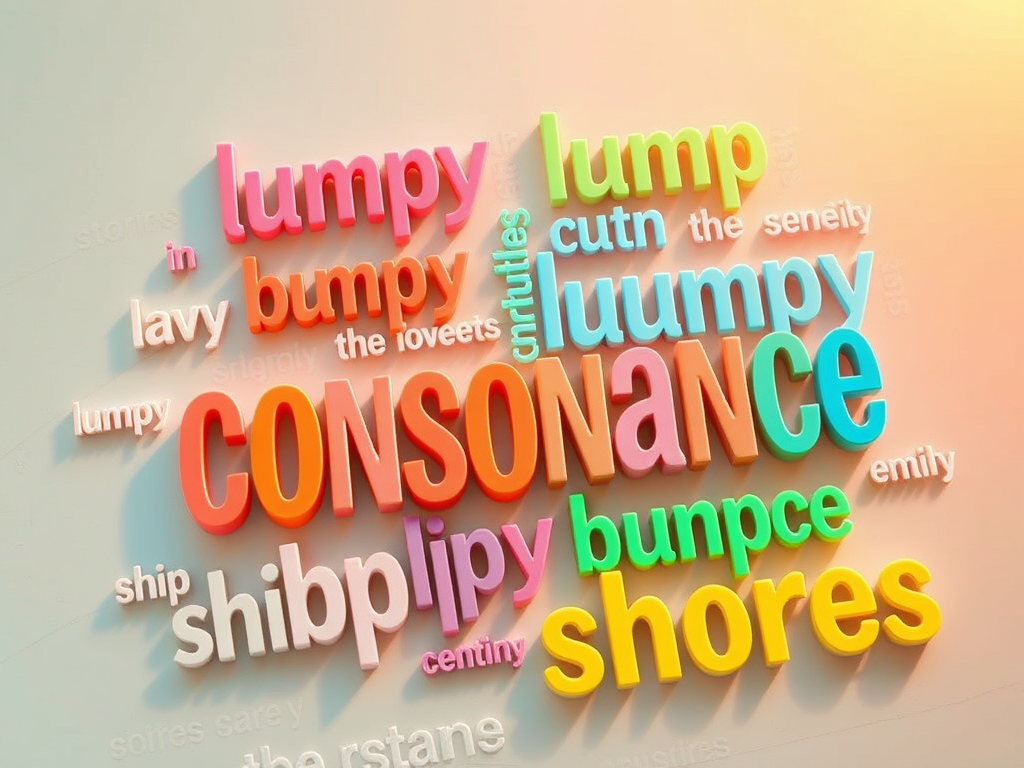
Definition: Consonance is the repetition of the same consonant sounds within or at the end of words in a phrase or sentence, often to create rhythm, emphasis, or mood. Example: “The lumpy, bumpy road.”Here, the “mp” sound is repeated. “The ship has sailed to the far off shores.”The “s” and “sh” sounds repeat throughout the…
Written by
·
-

What is Assonance?
Assonance is the repetition of vowel sounds within nearby words, especially in the middle of words, to create rhythm, mood, or emphasis. It’s often used in poetry and songwriting to add musicality without rhyming the entire word. Example of Assonance: “Hear the mellow wedding bells” – Edgar Allan Poe In this line, the “e” sound…
Written by
·
-

What is Irony?
Irony is a literary device where there is a contrast between what is expected and what actually happens, often highlighting a surprising or opposite outcome. There are several types of irony, but the most common is situational irony, where the outcome is the opposite of what you’d expect. Example of situational irony:A fire station burns…
Written by
·
-
What is a Pun?
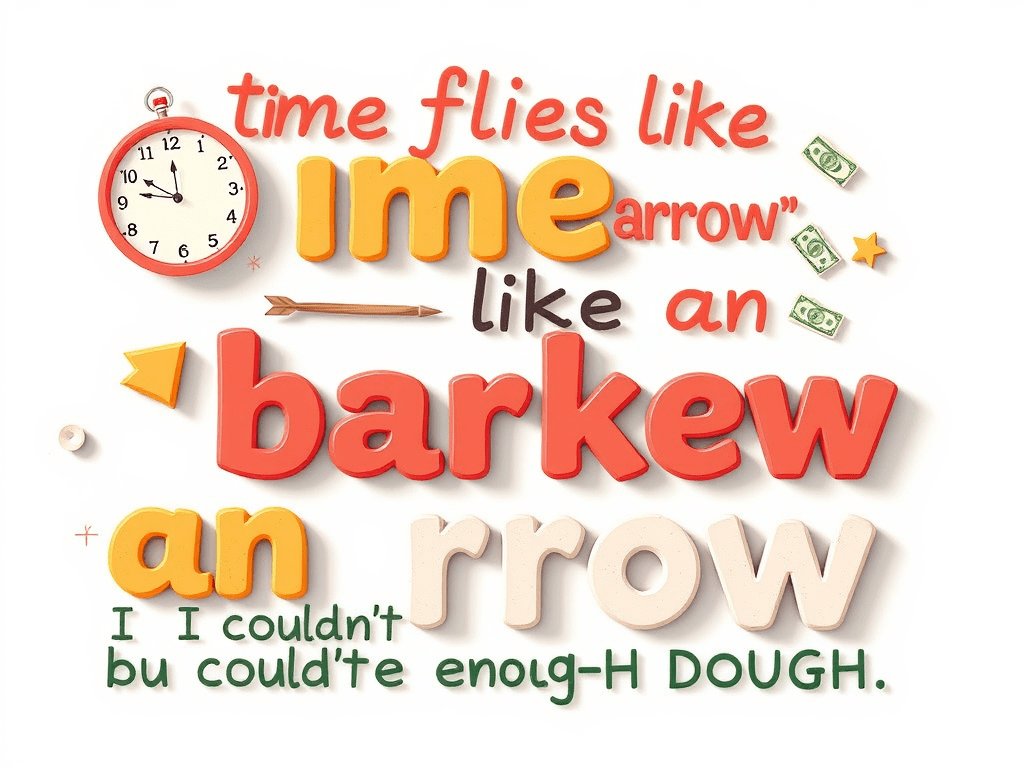
A pun is a form of wordplay that uses words with multiple meanings or similar sounds to create a joke or clever twist—usually for humorous or rhetorical effect. Example: “Time flies like an arrow. Fruit flies like a banana.” Another simple pun:“I used to be a baker, but I couldn’t make enough dough.” So there…
Written by
·
-
What is Hyperbole?
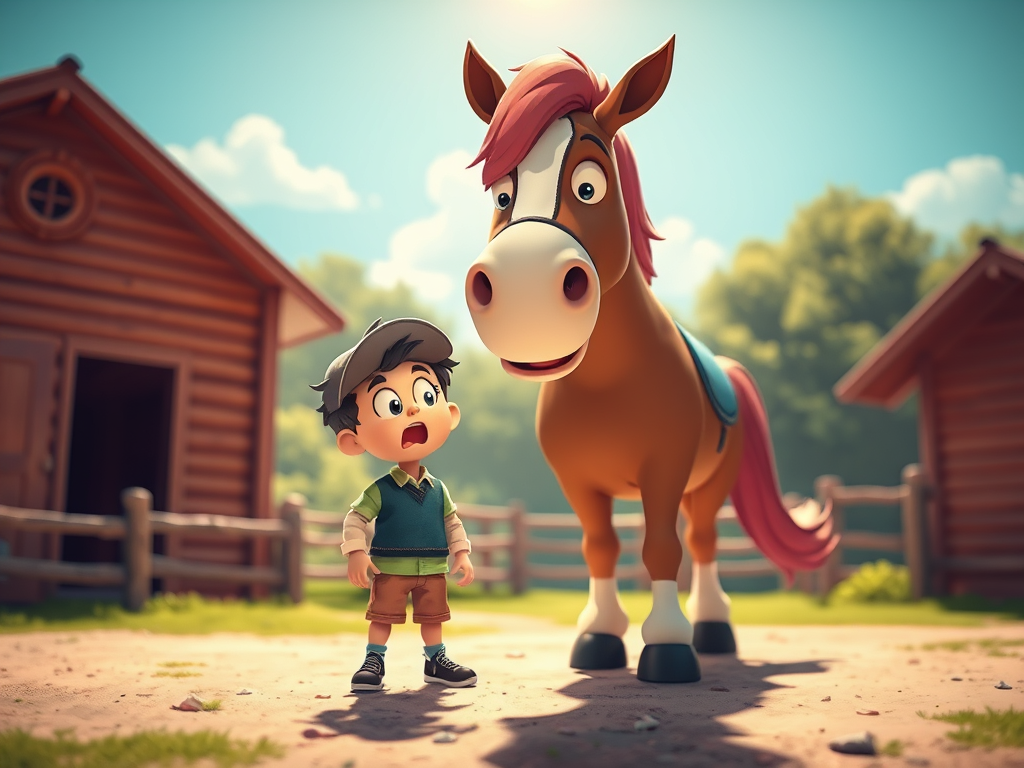
Hyperbole is a figure of speech that uses extreme exaggeration to emphasize a point or create a dramatic effect. It’s not meant to be taken literally. Example: “I’m so hungry I could eat a horse.”The speaker isn’t actually going to eat a horse—it just emphasizes how extremely hungry they feel. And there you have it.…
Written by
·
-
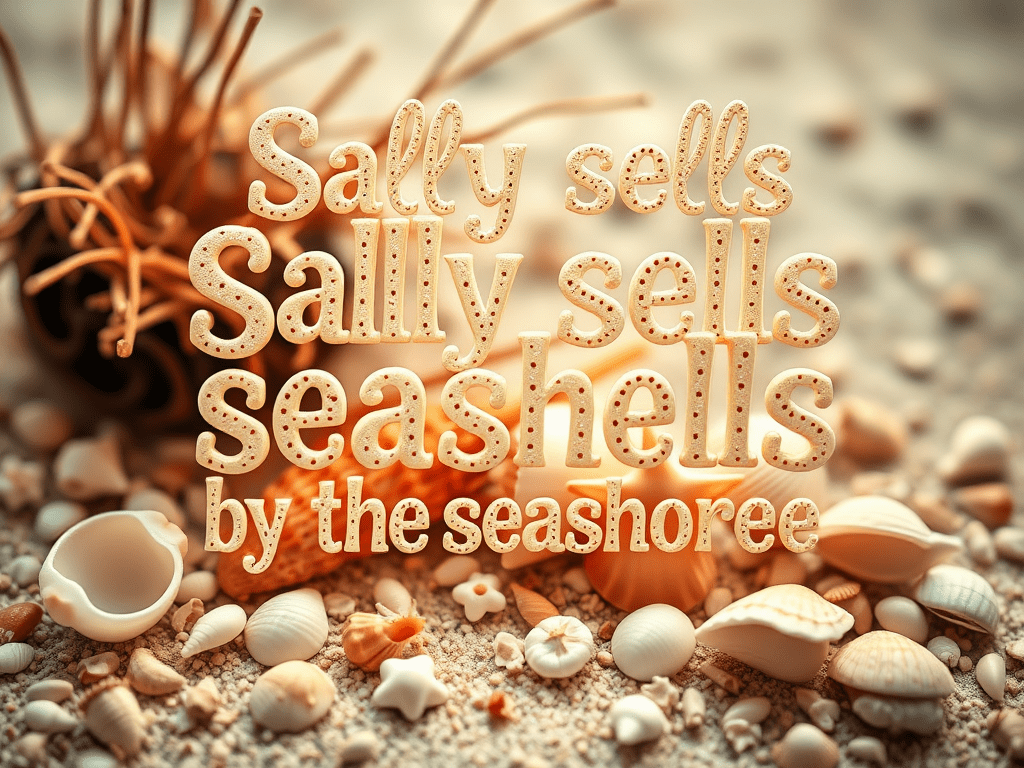
What is Alliteration?
Alliteration is the repetition of the same initial consonant sound in two or more closely placed words. It’s often used to create rhythm, mood, or emphasis in writing. Example: “Sally sells seashells by the seashore.”The repeating “s” sound creates a smooth, flowing rhythm and draws attention to the phrase. So there you have it! Now…
Written by
·
-

What is a Flashback?
A flashback is a literary or storytelling device that interrupts the present timeline of a story to show something that happened in the past. It’s used to give background, explain a character’s motivation, or reveal important information. Example: Let’s say a character is walking through a garden and suddenly smells roses. That smell triggers a…
Written by
·
