Tag: argumentative essay
-

What is Euphuism?
Euphuism is a highly ornate, artificial style of writing that was popular in late 16th-century English literature, particularly in the works of John Lyly. It’s characterized by excessive use of rhetorical devices, balance, antithesis, alliteration, and similes drawn from nature or mythology. ✅ Definition: A deliberately elaborate, decorative, and over-refined style of writing or speech,…
Written by
·
-

What is an Aptonym?
Aptonym is a literary and linguistic device in which a person’s name is strikingly appropriate or fitting to their character, occupation, or traits. The name itself reflects something meaningful about who they are or what they do. ✅ Definition: An aptonym (also called an aptronym) is a name that suits the nature, profession, or personality of its bearer. 💡 Examples: And there…
Written by
·
-
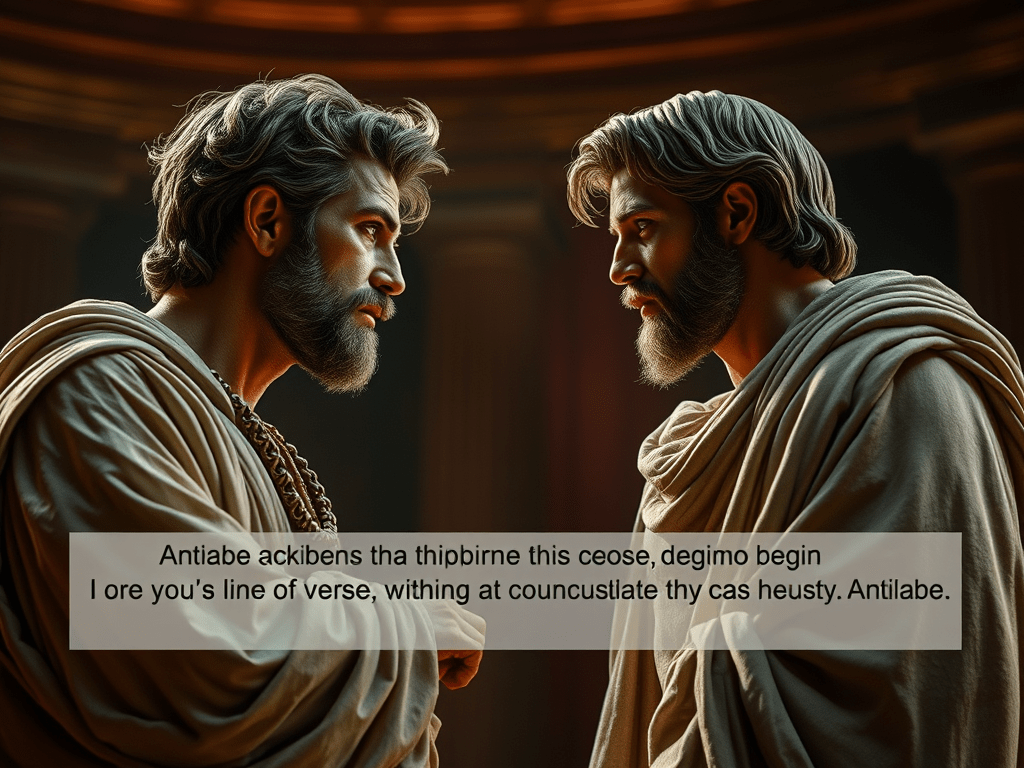
What is Antilabe?
Antilabe is a dramatic and rhetorical device in which a single line of verse is split between two or more characters, so that each speaker delivers part of the line. It is often used in classical Greek and Roman drama to speed up dialogue and create tension or urgency. ✅ Definition: A line of verse…
Written by
·
-

What is Accismus?
Accismus is a rhetorical or literary device in which someone feigns refusal of something while actually desiring it. It’s a form of irony or pretense, often used to appear modest or coy. ✅ Definition: Pretending to reject something that one actually wants. 💡 Example (original): Another example: And there it is! Now go ahead and…
Written by
·
-

What is Polytoton?
Polytoton is a rhetorical device involving the repetition of words derived from the same root, but in different forms (tense, case, part of speech, etc.).It emphasizes a central idea through morphological variation. ✅ Definition: Repetition of the same root word in various grammatical forms. 💡 Example (original): Root: lov-Forms: love, loving, lovers 💡 Another example…
Written by
·
-

What is Epimone?
Epimone is a rhetorical device in which a speaker dwells on a point by repeating it over and over, often with slight variation.It’s used for emphasis, persuasion, or emotional effect.Think of it like hammering an idea into the audience’s mind. ✅ Definition: Repetitive dwelling on a single point, phrase, or idea to emphasize its importance. 💡 Example (original): Here, “act now” is…
Written by
·
-

What is Chreia?
Chreia is a rhetorical and literary device that refers to a brief anecdote or story about a person, usually a famous figure, designed to illustrate a moral point, characteristic, or practical lesson. It was widely used in ancient Greek and Roman rhetoric as a tool for teaching, emphasizing virtue, wisdom, or cleverness. ✅ Definition: A…
Written by
·
-

What is Cacozelia?
Cacozelia (pronounced kah-koh-ZEE-lee-uh) is a rhetorical or literary device that refers to the use of affected, pretentious, or ostentatious language—when a writer or speaker deliberately uses fancy, foreign, or overly ornate words to sound more intelligent, sophisticated, or learned than they actually are. It often results in language that feels forced or pompous, and can…
Written by
·
-

What is Ascription?
Ascription is a literary or rhetorical device in which a quality, action, or characteristic is attributed to someone or something, often to highlight a trait or convey a symbolic meaning. ✅ Definition: The act of assigning or attributing a quality, action, or role to a person, character, or object. 💡 Example: Another example: And there…
Written by
·
-

What is Apophasis?
Apophasis is a rhetorical device in which a speaker brings up a subject by explicitly saying they will not mention it. It’s often used to introduce an idea indirectly or to emphasize a point while appearing to downplay it. ✅ Definition: Mentioning something by claiming you won’t mention it, often to draw attention or create…
Written by
·
