Tag: form 5
-
What is an Apostrophe? (Literary Device)
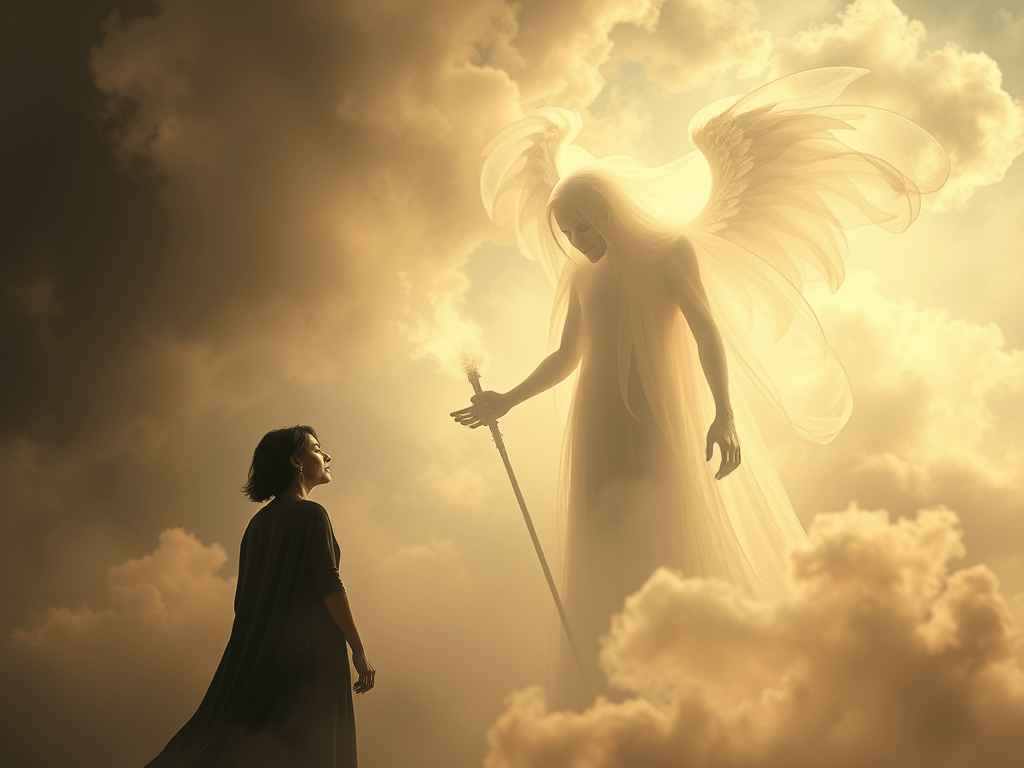
📌 Apostrophe (Literary Device) Definition:Apostrophe is a figure of speech in which a speaker directly addresses someone absent, dead, or nonhuman—or even an abstract idea—as if it were present and capable of understanding. ✅ Example: “O Death, where is thy sting?”— from the Bible (1 Corinthians 15:55) In this case, the speaker is addressing Death…
Written by
·
-

What is Tone?
Tone is the author’s or narrator’s attitude toward the subject, characters, or audience in a literary work. It is conveyed through word choice, sentence structure, and stylistic elements. ✅ Example of Tone: “I can’t believe she did that,” he muttered, his voice dripping with sarcasm. Other possible tones include: So there you go! Now go…
Written by
·
-

What is Juxtaposition?
Juxtaposition is a literary device where two or more contrasting ideas, characters, settings, or images are placed side by side or near each other to highlight their differences or create an effect. 🔍 Definition: Juxtaposition is the placement of two opposing or contrasting elements close together in a text to emphasize their differences or to…
Written by
·
-

What is Imagery?
Imagery is a literary device that uses vivid and descriptive language to appeal to the senses — sight, sound, smell, taste, and touch — to help the reader form a mental picture or experience the scene more deeply. Example of imagery: The sun dipped below the horizon, painting the sky with strokes of orange and…
Written by
·
-

What is a Paradox?
Paradox – Definition A paradox is a statement that seems self-contradictory or illogical at first, but when you think deeper, it reveals a truth or makes sense in a surprising way. Example: “This is the beginning of the end.”At first, it sounds confusing — how can the beginning be the end?But it makes sense when…
Written by
·
-
What is Anaphora?
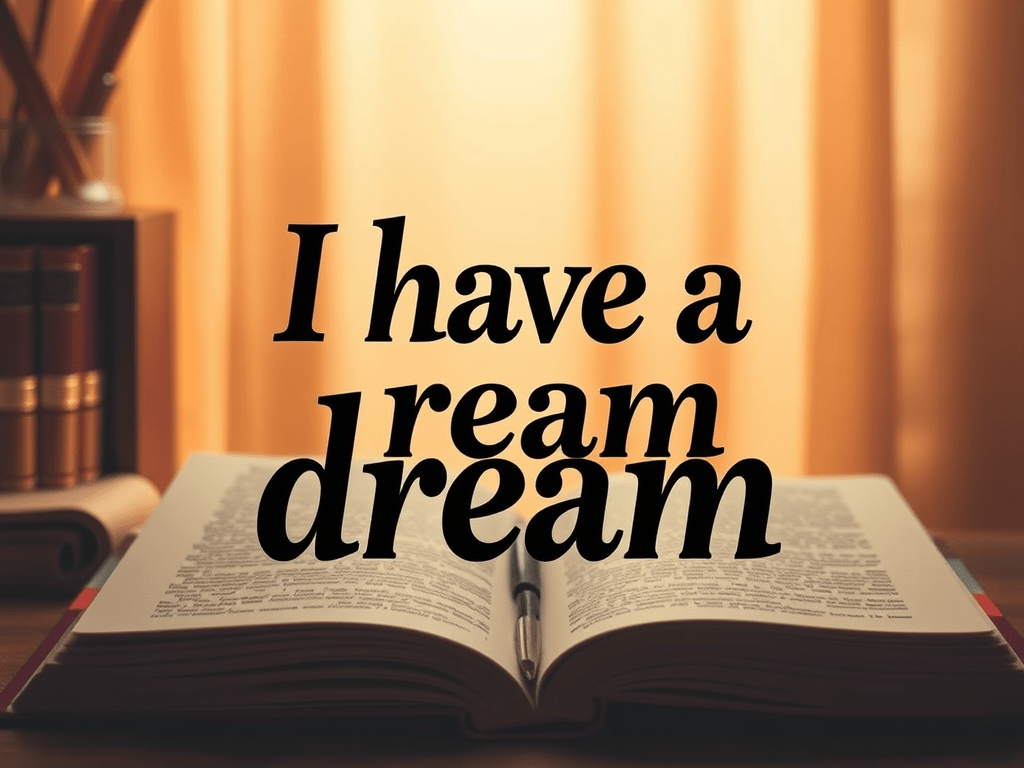
Anaphora is a literary device in which a word or phrase is repeated at the beginning of successive clauses or sentences. It’s used to create emphasis, rhythm, and emotional impact. Definition: Repetition of a word or phrase at the beginning of consecutive lines, sentences, or clauses. Example: From Martin Luther King Jr.’s “I Have a…
Written by
·
-

What is an Allegory?
An allegory is a story poem or artwork in which characters, events or settings symbolically represent abstract ideas, moral qualities, political systems or spiritual concepts. The surface story is often a metaphor for a deeper often hidden meaning. An example is the story Animal Farm which reads on the surface as a recounting of some…
Written by
·
-
What is an Oxymoron?
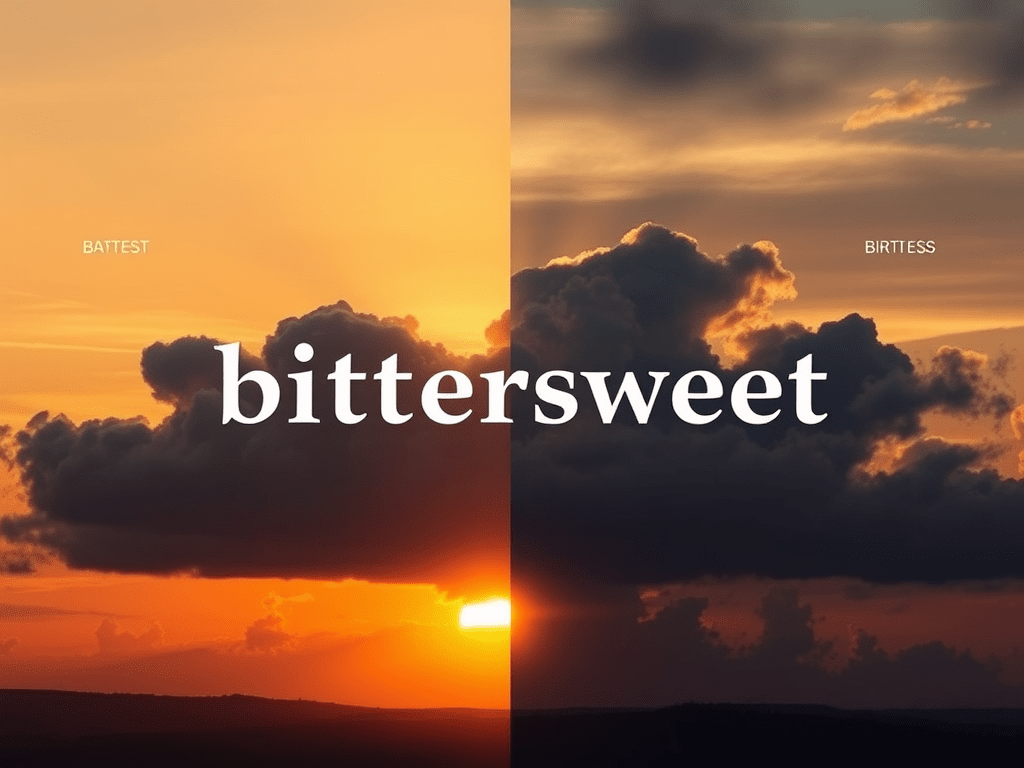
An oxymoron is a literary device where two contradictory words are placed next to each other for a thought provoking effect. The word bittersweet combines bitter (sadness) and sweet (happiness) to show how an experience can be joyful and painful at the same time, like entering s new stage if life. So there you have…
Written by
·
-

What is Symbolism?
Symbolism is a literary device where an object, character, action or setting represents a deeper meaning. A lack of furniture in a room may represent emptiness in someone’s heart. Symbolism is important because it helps communicate big ideas through little details. And there you go! Now go ahead and use symbolism in your CXC prep/…
Written by
·
-

What is Foreshadowing?
Definition:Foreshadowing is a literary device where an author gives hints, clues, or subtle signs about what will happen later in the story. It builds suspense and prepares the reader emotionally or mentally for future events. It can be obvious (like a prophecy) or very subtle (like a passing comment or image). Example: In a story:As…
Written by
·
